What to See in Your Local Park in August – and What Our Four-legged Friends Might Find Too!

What to See in Your Local Park in August – and What Our Four-legged Friends Might Find Too!

© Ben Hall 2020VISION

If you go down to the park today, you're sure of a big surprise!

Will you be entertaining children or grandchildren this August? Then, it’s a great time to get out together and explore your local park. To be a good nature detective we have to use our eyes and ears to start noticing the things around us. This could be anything from that pretty yellow flower to the dance of a butterfly as it flutters past to the hum of a bee… This voyage of discovery isn’t just for kids though - we loved taking these tips from our engagement team into Verulamium Park by the office, so can vouch a good bit of nature detecting is fun for all ages!

Ready to explore? Let’s go!

Oak leaves in sunlight

Take an interest in trees

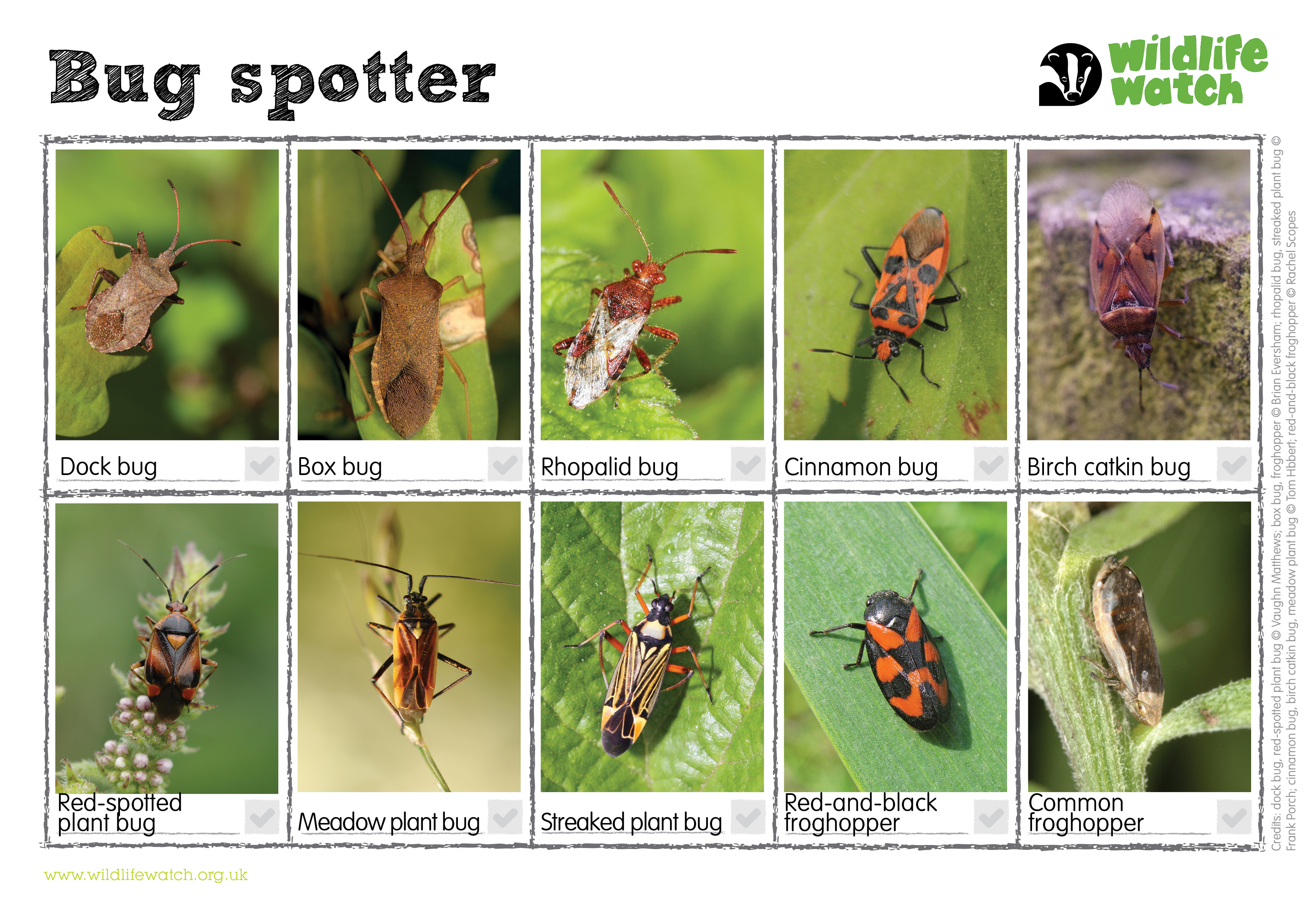
A warm/hot sunny day is the perfect time to make friends with a local tree. As well as providing shade they are home to many creatures. Look for Grey Squirrels racing along branches, birds singing amongst the leaves or insects hiding beneath bark – take a look at this bug spotter to see what you can identify. Oak trees in particular support hundreds of species of wildlife and are excellent places for nature spotting. Have a go at identifying the different trees from their leaves, bark or seeds. This link to our Wildlife Explorer pages will provide you with information on what to look out for: hertswildlifetrust.org.uk/wildlife-explorer/trees-and-shrubs

Emerald damselfly

Emerald damselfly © Mike Snelle

Discover dragonflies and damselflies

If your local park has a pond, lake or river, August is a fantastic time to watch dragonflies and damselflies. These dazzling insects zip through the air in flashes of blue, red and green, often hovering just above the water. Count how many dragonflies you can see in five minutes and compare your results with different ponds or wetlands. Know the difference! As a general rule, the damselfly is slimmer, and rests with wings folded along its body, while the stockier dragonfly keeps its wings spread outwards. Click on the links above to discover more about the different species.

Buff-tailed bumblebee

Buff-tailed bumblebee © Vaughn Matthews 

Bee enthralled 

The humble bumblebee, flitting from flower to flower, busy gathering pollen as they go.  

But did you know the UK has over 200 different species of Bee? Some as small as 6-7mm in length such as the Small Scissor Bee, up to the Violet Carpenter Bee that can grow up to 3cm in length.  

Some bees live in hives, such as honey bees but around 90% of UK bee species are solitary including leaf cutter bees, mason bees and mining bees.

Bees are our friends. We couldn’t survive without bees. Beyond lifting our spirits when we spot them in our park or gardens, they’re essential for our health and wellbeing and the entire environment. Many of the UK’s arable crops rely heavily on bee pollination.

Amy's Bee Hotel - house shaped

Amy's Bee Hotel (c) Amy Trotter

How can we help bees?

Set up a nectar café. Plant bee friendly plants such as grape hyacinth, primrose, lavender, honeysuckle and wild ivy.

Provide shelter. To nest and hibernate, bees need shelter. Pop up a simple bee hotel like this, in a sunny spot, ideally east facing. Come spring / summer, you will see a variety of bees nesting in their new Bee ‘n Bee!

Wasp

German wasp © Vaughn Matthews

Get wise about wasps!

The Common Wasp is well-known to most of us and is often the victim of a bad reputation! However, despite this, wasps are important pollinators and pest controllers. They feed on high energy foods like nectar and rotten fruit – and they are also partial to a sugary picnic or ice lolly! Wasps live in large groups in gaps in houses and roofs and live in nests built of ‘paper’, which is formed by the queen chewing up wood! But like us, they love a trip to the local park and all the treats they can find there!

Wildlife Trust staff's dog on lead

Wildlife Trust staff's dog on lead (c) Meg Dobson

Things your dog might find before you do!

Ticks

Ticks are small creatures that belong to the arachnid family, which also include spiders and scorpions. They feed on the blood of animals, including dogs and humans, and have flat, oval bodies, which can swell once they’ve fed. Ticks are brown in colour but that can range from many hues from light brown to dark brown to reddish brown. Ticks remain active throughout summer in grassy areas, heathland and woodland – and our local parks often feature at least one of these habitats!

Check your dog carefully after every walk particularly ears, neck, armpits, groin and between the toes. If you spot one, remove promptly with a tick removal tool.... and don’t forget to check yourself too!

Grassland

Grass seeds
Most of our parks feature large areas of grassland and with that there are the joys and perils of grass seeds. 

These brittle, barbed grass seeds can become lodged in your dog’s fur and pierce the skin. Check between toes, inside ear canals, around the eyes, armpits and under their harness or collar. Watch out for sudden limping or excessive paw-licking, persistent head shaking, swollen eyes, sudden or violent sneezing.

Regular grooming, avoiding long, dry grass where possible, and post-walk checks are the best ways to reduce the risk.

Red Admiral sitting on a flowering bramble

A rare find

Our parks are important wildlife corridors which support wild creatures passing from one habitat to another. So, as well as the more common species you can find in parks, it’s worth keeping your eyes peeled for more unusual sightings. For example, you might be fortunate to see a Little Egret wading in the shallows of a river, or a flash of blue as a Kingfisher darts from one branch to another along the riverside. Parks are also great places to go on a butterfly hunt – look for the ‘edges’ where different habitats meet, for instance where a meadow meets a hedge and pay particular attention to sunny patches – you might be met with the stunning sight of a Red Admiral, a Peacock, or another of the 37 butterfly species found in our area, some of which you may be able to identify here.

What you will find in your local park will change with the seasons so there will always be something new and exciting to discover!

Keep up with seasonal ‘what to see’ guides, latest news and events by signing up for your monthly newsletter from the Trust here.